
May 24, 2026
BY STANISLAV BLASHCHUK
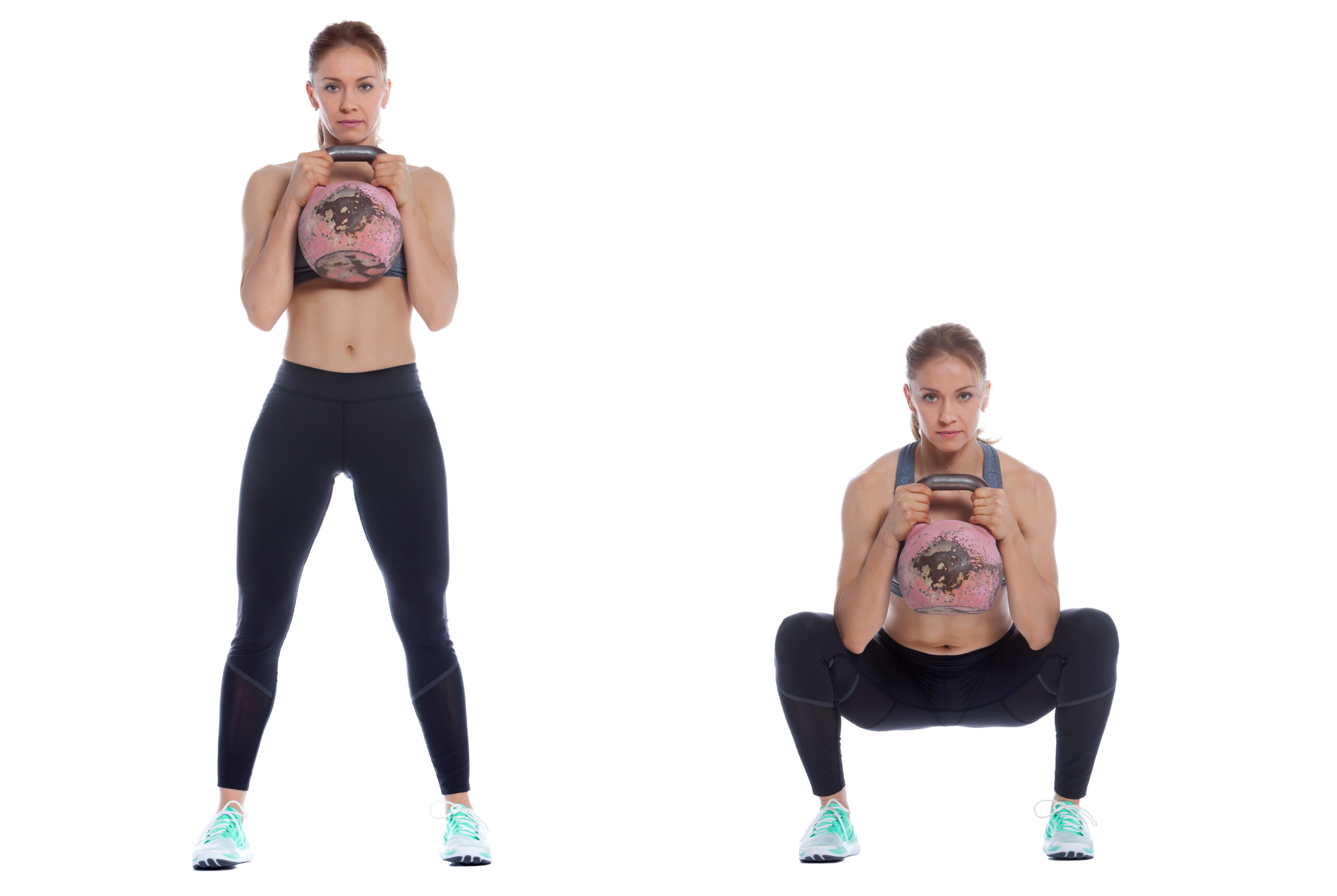
Your legs are the engine of athletic performance — and EMOM training is one of the most efficient ways to build them. Whether you want to add size, boost explosive power, or build lower body endurance, an EMOM leg workout delivers focused, measurable stimulus without the monotony of traditional sets and rest. Best of all: it scales perfectly across all experience levels. Here’s everything you need — complete workouts, progressions, and expert tips — to build powerful legs with EMOM lower body training.
Why EMOM Training Works for Leg Development
EMOM workouts create a unique training environment for the lower body: structured intensity, built-in pacing, and enough volume to drive adaptation without creating excessive fatigue.
Key benefits of EMOM leg training:
- Consistent stimulus: Every minute forces you to work — eliminating the “long rest” habit that stalls progress
- Metabolic overload: Short rest periods keep muscles under cumulative tension across all rounds
- Mental toughness: Watching the clock builds the focus and work capacity needed in competition
- Flexible loading: Use bodyweight, dumbbells, kettlebells, or a barbell — all work perfectly within EMOM structure
- Injury-smart pacing: Self-regulating rest reduces injury risk compared to timed circuits with no built-in recovery
Muscles Targeted in a Lower Body EMOM
A well-designed emom lower body workout hits all major muscle groups in the legs:
- Quadriceps: Squats, lunges, step-ups, front squats
- Hamstrings: Romanian deadlifts, kettlebell swings, hip hinge movements
- Glutes: Hip thrusts, Bulgarian split squats, lateral lunges
- Calves: Jump variations, calf raises between compound movements
- Core: Every unilateral (single-leg) movement demands core stability and anti-rotation control
Targeting all these areas within a single EMOM session creates a complete, efficient lower body stimulus in 20–30 minutes.
EMOM Leg Workouts by Level
These three emom legs protocols are designed for specific experience levels. Start where you are — progress when the rest time consistently exceeds 20 seconds per round.
Beginner EMOM Leg Workout (20 Minutes)
New to EMOM or lower body training? This bodyweight-and-dumbbell format builds foundational strength, movement patterns, and work capacity. Format: 4-exercise rotation, 5 rounds (20 minutes total).
| Minute | Exercise | Reps |
|---|---|---|
| 1, 5, 9, 13, 17 | Goblet Squat | 10 |
| 2, 6, 10, 14, 18 | Reverse Lunge | 8 each leg |
| 3, 7, 11, 15, 19 | Glute Bridge | 15 |
| 4, 8, 12, 16, 20 | Step-Up (alternating) | 10 each leg |
Tips for beginners:
- Use a light-to-moderate dumbbell for goblet squats — prioritize depth and control
- Focus on full range of motion over speed throughout every rep
- Use the full rest period — don’t rush into the next minute early
Intermediate EMOM Lower Body Workout (24 Minutes)
For athletes comfortable with compound movements who want to build strength-endurance. Format: 6-exercise rotation, 4 rounds (24 minutes total).
| Minute | Exercise | Reps |
|---|---|---|
| 1, 7, 13, 19 | Barbell Back Squat (or Goblet Squat) | 8 |
| 2, 8, 14, 20 | Romanian Deadlift | 10 |
| 3, 9, 15, 21 | Walking Lunge | 10 each leg |
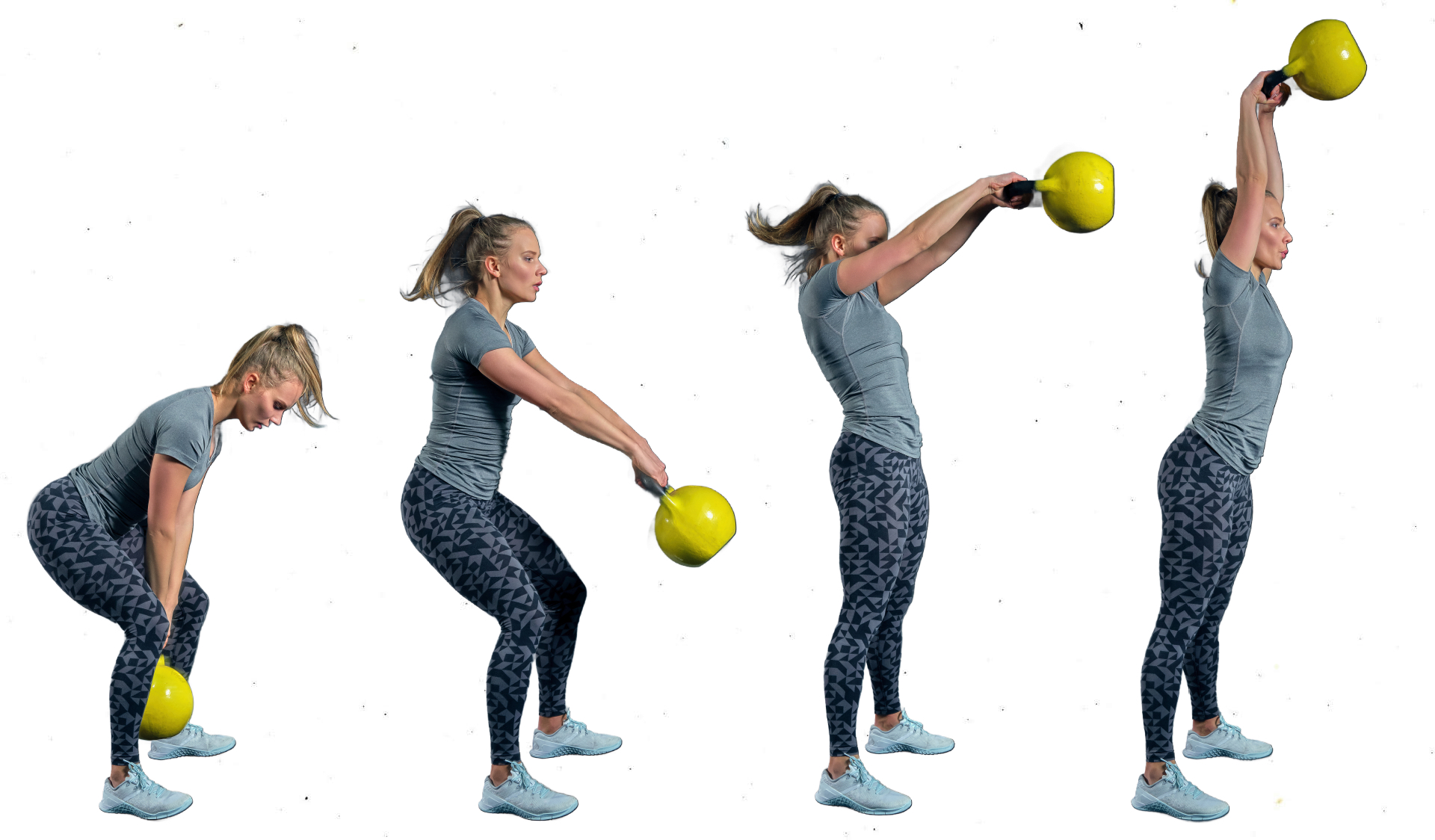
| 4, 10, 16, 22 | Kettlebell Swing | 15 |
| 5, 11, 17, 23 | Sumo Squat | 12 |
| 6, 12, 18, 24 | Jump Squat | 10 |
Load guideline: Squats at 60–70% 1RM; RDLs with moderate dumbbells or barbell; kettlebell swings at a weight you can complete with full hip extension on every rep.
Advanced EMOM Legs Workout (20 Minutes)
High-intensity, high-skill — designed for experienced CrossFit athletes who want maximum lower body stimulus. Format: 2-exercise alternating EMOM, 20 minutes (10 rounds per exercise).
| Minute | Exercise | Reps |
|---|---|---|
| Odd | Front Squat | 5 at 75–80% 1RM |
| Even | Bulgarian Split Squat (each leg) | 6 each side |
Why this works: Front squats demand upright posture, strong core engagement, and quad dominance. Bulgarian split squats correct left-right strength imbalances and build unilateral power critical for sprinting, jumping, and cutting.
Sample Warm-Up for EMOM Leg Workouts
Never skip the warm-up before emom legs day. Cold muscles under load is how injuries happen. Spend 5–8 minutes on this routine:
- 2 minutes light cardio (bike, skip, or jog)
- 10 hip circles each direction
- 10 leg swings (front-to-back, then side-to-side)
- 2 × 10 bodyweight squats, deepening range on each rep
- 2 × 5 hip hinges, slow and controlled
- 1 × 10 glute bridges to activate the posterior chain before loading
How to Progress Your EMOM Leg Workout
Progression is built into the EMOM structure — but you have to apply it consciously:
- Reduce finish time: Track how many seconds remain after you complete each set. As fitness improves, you’ll finish faster — that’s your signal to add reps.
- Increase load: Add 2.5–5kg per week to major compound lifts once form stays consistent across all rounds.
- Add complexity: Swap goblet squats for front squats, reverse lunges for Bulgarian split squats, bodyweight for loaded movements.
- Extend duration: Progress from 20 to 24 to 30 minutes as your conditioning improves over weeks.
Recovery After an EMOM Lower Body Workout
Your legs take a significant hit from a lower body EMOM session. Recovery strategy matters:
- Stretch: Hold quad, hip flexor, and hamstring stretches for 45–60 seconds each
- Foam roll: Target quads, IT band, and glutes for 60–90 seconds per area
- Protein: Consume 25–40g within 60 minutes post-workout to support muscle repair
- Hydration: Replace fluids and electrolytes lost during the session
- Rest: Allow at least 48 hours before your next heavy lower body session
Frequently Asked Questions
How often should I do an EMOM leg workout?
2–3 times per week is the sweet spot for most athletes. Allow 48 hours of recovery between sessions to allow full muscle repair and adaptation.
Can I do a lower body EMOM at home?
Absolutely. The beginner protocol requires only a single light dumbbell. For a fully equipment-free version, replace goblet squats with air squats and remove all loaded movements.
What’s the difference between EMOM legs and regular leg day?
Traditional leg day uses fixed sets with long rest periods. EMOM lower body workouts compress rest, increase training density, and develop conditioning alongside strength — making them more time-efficient for athletes who value both endurance and size.
Is EMOM training good for building leg muscle?
Yes — when loaded appropriately. Use 65–75% of 1RM on compound movements with 8–15 reps per set to hit the hypertrophy range within the EMOM format. Volume and progressive overload are still the primary drivers.
Final Thoughts: Build Stronger Legs with EMOM Training
Whether you’re a beginner building your foundation or an advanced CrossFit athlete refining explosive leg power, an EMOM leg workout delivers structured, scalable, and measurable lower body training in every session.
Start with the beginner protocol. Progress systematically. Prioritize recovery. Strong legs aren’t built in one session — but consistent EMOM lower body training is one of the most effective paths to building them over time.