
May 24, 2026
BY STANISLAV BLASHCHUK

CrossFit pushes your body to the edge — high-intensity intervals, heavy barbell work, and metabolic conditioning that leaves your muscles screaming. Without proper recovery, that constant stress turns from progress into breakdown. Recovery supplements for athletes aren’t magic pills, but the right ones can meaningfully accelerate muscle repair, reduce soreness, and get you back in the gym stronger. Here’s what actually works — backed by science, tested by athletes.
Why Recovery Matters More Than Training
Many CrossFit athletes obsess over programming but neglect recovery. The truth is: you don’t get stronger during a workout — you get stronger during recovery. Every WOD creates micro-damage in muscle fibers. Your body rebuilds those fibers thicker and stronger — but only if you give it the raw materials to do so.
Without adequate recovery support, you risk:
- Chronic fatigue and declining performance
- Increased injury risk from cumulative tissue damage
- Slower muscle growth and strength gains
- Hormonal disruption from overtraining
CrossFit recovery supplements fill the gaps when diet, sleep, and stress management alone aren’t enough.
Best CrossFit Recovery Supplements for Athletes
Here are the most effective, evidence-backed supplements for crossfit recovery — organized by function and practical dosing guidance.
1. Whey Protein (or Plant-Based Alternative)
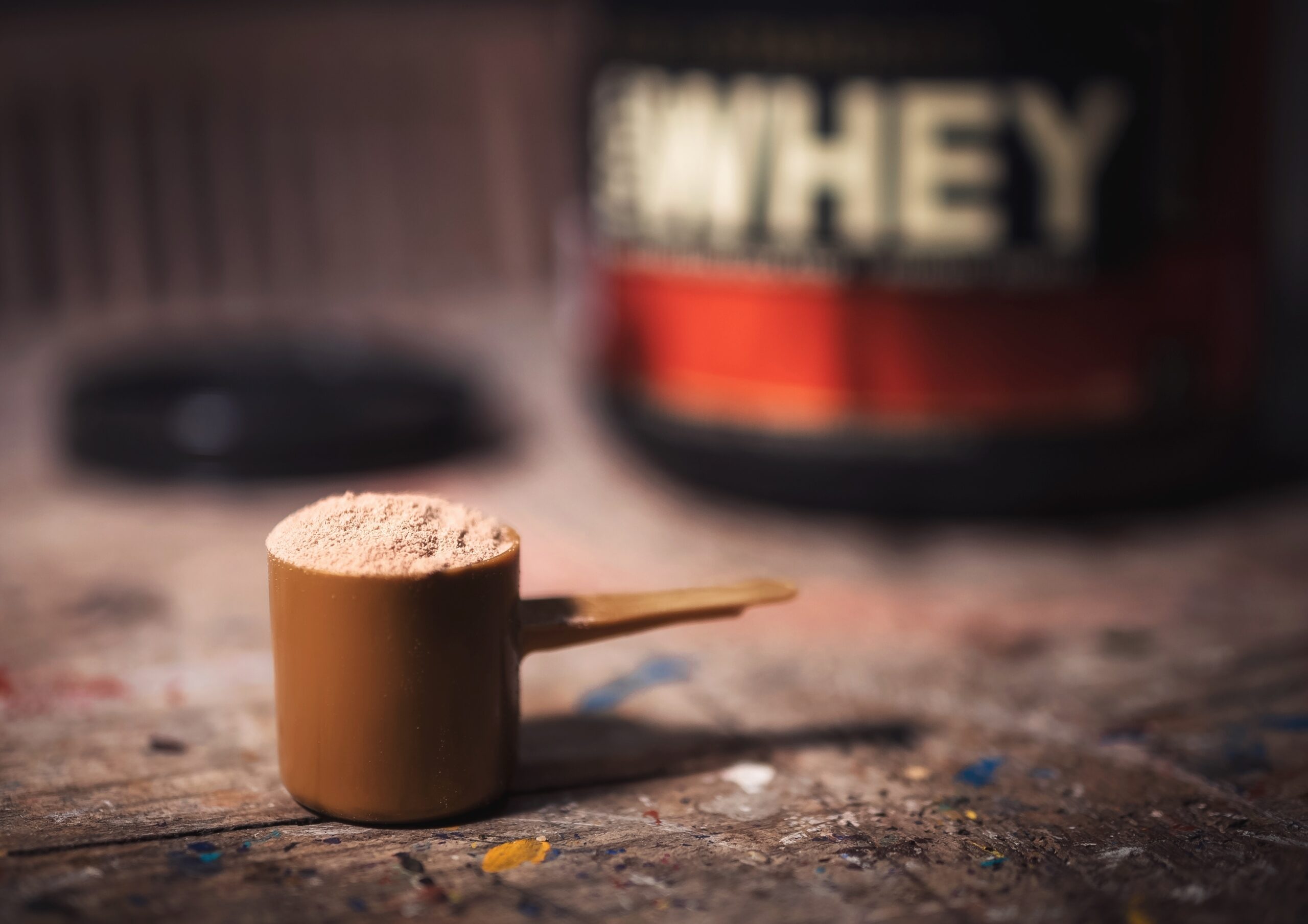
Protein is the foundation of muscle repair. After a tough WOD, muscle protein synthesis peaks — this is the window where protein has the greatest impact on recovery.
- Recommended dose: 20–40g within 30–60 minutes post-workout
- Why it works: Provides essential amino acids (especially leucine) that trigger muscle rebuilding
- Best for: All athletes, especially those training 4+ days per week
- Vegan option: Pea protein or rice/pea blend with comparable amino acid profiles
2. Creatine Monohydrate
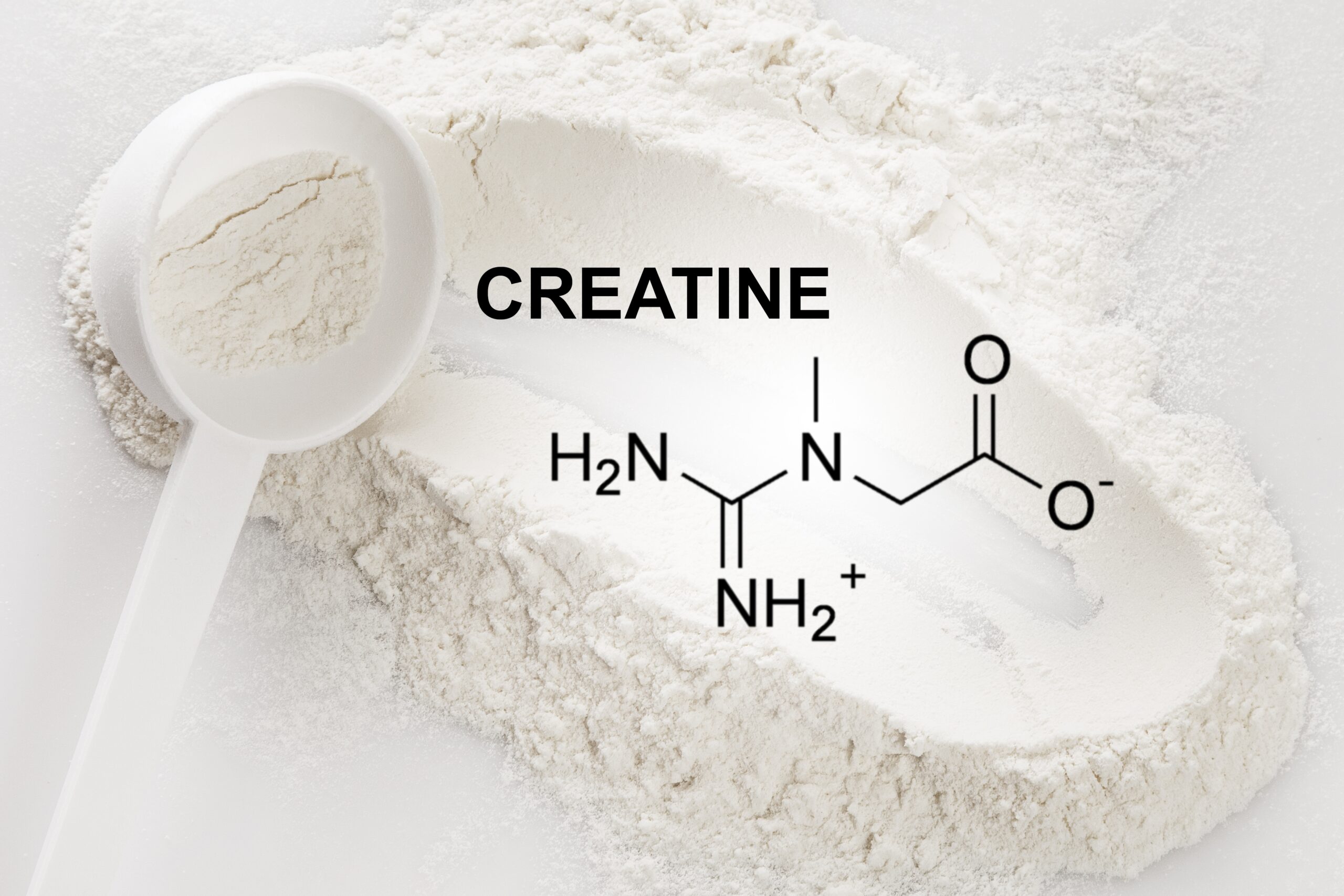
Creatine is the most researched supplement in sports science. It replenishes phosphocreatine stores depleted during explosive efforts — exactly the kind of work CrossFit demands.
- Recommended dose: 3–5g daily (no loading phase needed)
- Why it works: Boosts ATP regeneration for repeated maximal efforts; supports muscle hydration and recovery between sets
- Best for: Athletes doing Olympic lifts, high-intensity conditioning, and strength work
- Note: Consistent daily use matters more than timing
3. Magnesium

Magnesium is chronically depleted in high-output athletes through sweat. Low magnesium is directly linked to poor sleep quality, muscle cramps, and impaired recovery between sessions.
- Recommended dose: 200–400mg before bed (magnesium glycinate or citrate for best absorption)
- Why it works: Regulates muscle contractions, supports sleep quality, and reduces systemic inflammation
- Best for: Athletes with poor sleep, frequent cramping, or high training volume
4. Omega-3 Fatty Acids (Fish Oil)
Omega-3s reduce exercise-induced inflammation and blunt delayed onset muscle soreness (DOMS). Research shows they preserve strength and range of motion after intense training sessions.
- Recommended dose: 2–3g EPA+DHA daily with meals
- Why it works: Modulates inflammatory pathways, supports joint health, and improves cell membrane integrity for faster repair
- Best for: Athletes dealing with joint pain, high training frequency, or prolonged DOMS
5. BCAAs / EAAs
Branched-chain amino acids (leucine, isoleucine, valine) reduce muscle breakdown and support recovery, especially during fasted training or when total protein intake is suboptimal.
- Recommended dose: 5–10g intra- or post-workout
- Why it works: Signals muscle protein synthesis and reduces exercise-induced muscle damage biomarkers
- Best for: Athletes training twice a day, fasted morning workouts, or those with lower overall protein intake
- Note: If you already eat sufficient protein throughout the day, EAAs offer less additional benefit
6. Electrolytes
CrossFit athletes lose significant sodium, potassium, and magnesium through sweat. Electrolyte depletion impairs muscle function and measurably slows recovery.
- Recommended dose: During and after workouts exceeding 60 minutes
- Why it works: Maintains fluid balance, nerve transmission efficiency, and muscle contraction quality
- Best for: Endurance-heavy training, hot environments, or athletes who sweat heavily
Adaptogens: The Overlooked CrossFit Recovery Supplements

Adaptogens are plant-based compounds that help your body manage physiological stress — a significant factor for CrossFit athletes training at high volumes. Two stand out for recovery:
- Ashwagandha (KSM-66): Reduces cortisol, improves sleep quality, and research shows it can increase muscle recovery rates and even strength output. Dose: 300–600mg daily.
- Rhodiola Rosea: Reduces perceived fatigue, supports mental clarity, and blunts the neuroendocrine stress response from high-volume training cycles. Dose: 200–400mg before training.
How to Stack Crossfit Recovery Supplements Effectively
You don’t need all of these at once. Here’s a practical recovery stack by goal:
For most CrossFit athletes — the foundation stack:
- Whey protein post-workout (20–40g)
- Creatine monohydrate 3–5g daily
- Magnesium glycinate before bed (200–400mg)
For advanced athletes or high-volume training: Add omega-3s with meals and BCAAs intra-workout on double-session days.
For athletes struggling with stress and sleep quality: Add ashwagandha in the evening as part of your wind-down routine.
What Won’t Replace Recovery Supplements for CrossFit
No supplement compensates for poor fundamentals. Before adding anything to your stack, nail these basics:
- Sleep: 7–9 hours is non-negotiable — it’s when growth hormone peaks and tissue actively repairs
- Nutrition: Carbohydrates replenish glycogen; protein rebuilds muscle; both are essential for recovery
- Active recovery: Light movement, foam rolling, and mobility work accelerate circulation and healing
- Hydration: Even 2% dehydration impairs both performance and the recovery process
Use supplements for crossfit recovery to enhance a solid foundation — not as a shortcut around one.
Frequently Asked Questions
Are recovery supplements safe for CrossFit athletes?
Yes. The supplements covered here — protein, creatine, magnesium, omega-3s, and adaptogens — are extensively researched and safe for healthy adults at recommended doses. Consult a sports nutritionist if you have specific health conditions or take medications.
How quickly do the best recovery supplements for athletes work?
Protein and electrolytes work acutely — you’ll feel the benefit within hours. Creatine, magnesium, and omega-3s show measurable benefits after 2–4 weeks of consistent daily use.
Do I need all of these CrossFit recovery supplements at once?
No. Start with the foundation stack: protein + creatine + magnesium. Add others as specific needs arise — joint discomfort, poor sleep quality, very high training volume.
Final Thoughts: Build Your Recovery Stack Strategically
The best CrossFit recovery supplements don’t replace hard work — they support it. Build your stack around the proven foundation of protein, creatine, and magnesium. Add omega-3s, electrolytes, and adaptogens as your training demands scale up.
Your next WOD is only as good as your recovery from the last one. Invest in recovery, and you invest in every future performance.